
Introduction
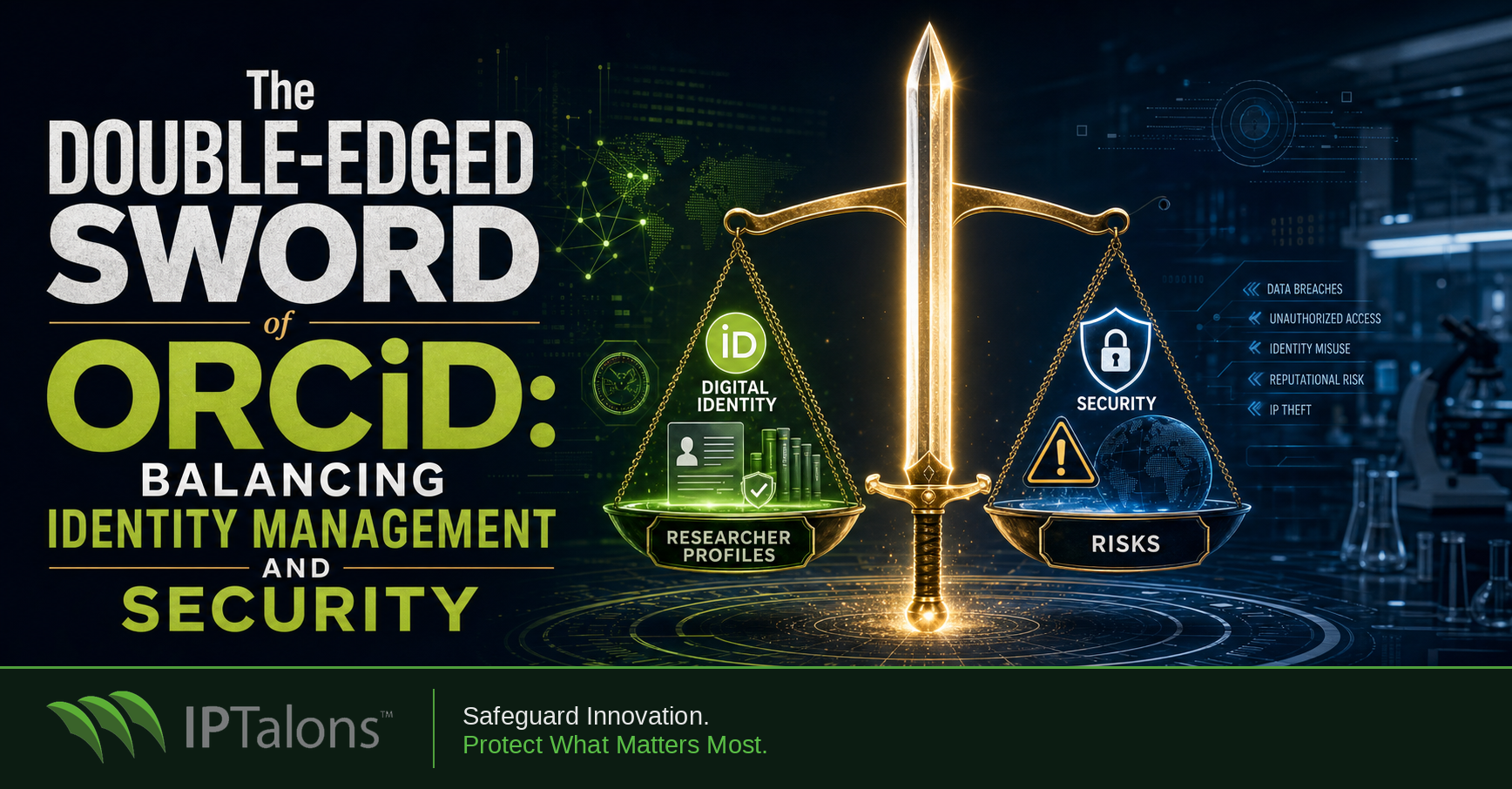
In the push for research transparency and accountability, ORCID (Open Researcher and Contributor ID) has emerged as a cornerstone of modern academic infrastructure. Federal agencies increasingly mandate its use, and institutions worldwide have embraced it as a solution for researcher identification. However, this convenience comes with strategic costs that are rarely discussed—costs that could compromise both individual researchers and national research competitiveness.
The ORCiD Advantage
ORCID provides a persistent digital identifier that follows researchers throughout their careers. It solves legitimate problems: name disambiguation, tracking research outputs across institutions, and verifying academic credentials. When integrated with systems like CSR (Certified Secure Researcher), it offers streamlined compliance verification and reduces administrative overhead.
Federal requirements under NSPM-33 and related guidance have accelerated ORCID adoption, making it nearly mandatory for federally funded researchers. The system's appeal is clear—one identifier, one source of truth, reduced paperwork.
The Hidden Vulnerabilities
Innovation Pipeline Mapping
Every ORCID profile creates a detailed map of research trajectories. When aggregated, these profiles reveal emerging research directions before results are published. Nation-state actors can identify which researchers are pivoting to sensitive areas, which institutions are building capabilities in strategic technologies, and where breakthrough research might emerge—all from publicly accessible data.
Talent Identification and Poaching
ORCID makes it trivially easy to identify high-value researchers. Career progression, collaboration patterns, funding sources, and research output are all visible. This creates shopping lists for competitor nations seeking to recruit talent through legitimate job offers, collaboration invitations, or more covert approaches.
Collaboration Intelligence
Research rarely happens in isolation. ORCID reveals the invisible networks connecting researchers across institutions and borders. These collaboration patterns expose information sharing channels, joint projects that might combine to create sensitive capabilities, and personal relationships that could be exploited.
The Compliance Paradox
Institutions face a genuine dilemma. NSPM-33 requirements push toward greater disclosure and researcher identification while simultaneously emphasizing research security. ORCID satisfies the first mandate while potentially undermining the second. The very transparency that builds trust in research integrity creates intelligence opportunities for adversaries.
Consider: A researcher's ORCID profile might reveal that they've recently completed training in export control compliance, received new funding in a sensitive domain, and begun collaborating with defense contractors. Individually, these facts are innocuous. Together, they paint a picture of emerging classified work—information valuable to foreign intelligence services.
Toward Strategic Balance
The solution isn't abandoning ORCID—the benefits of standardized researcher identification are real. Instead, institutions need:
Tiered Visibility Controls
Not all information needs to be public. ORCID profiles could support granular access controls, revealing different levels of detail to different stakeholders.
Strategic Omission Protocols
Guidelines for what should NOT appear in ORCID profiles, particularly for researchers in sensitive domains.
Aggregate Risk Assessment
Tools to evaluate what institutional ORCID data reveals in aggregate, not just individual profiles.
Counter-Intelligence Awareness
Training researchers to understand their ORCID profiles from an adversarial perspective.
The IPTalons Approach
At IPTalons, we recognize that research security requires balancing openness with protection. Our CSR certification integrates with ORCID while adding security layers that ORCID alone cannot provide. We help institutions navigate the compliance requirements without inadvertently creating intelligence vulnerabilities.
The question isn't whether to use ORCID—it's how to use it wisely. Research security in the modern era requires understanding both the tools we're mandated to use and their strategic implications. Ignorance of these dynamics isn't just inconvenient; it's a national security risk.
Conclusion
ORCID represents a significant advancement in research infrastructure, but its implementation requires strategic thinking beyond mere compliance. As research becomes increasingly central to national competitiveness, protecting researcher information while maintaining transparency demands sophisticated approaches that consider both the benefits of open science and the realities of strategic competition.
The institutions that thrive will be those that master this balance—leveraging ORCID's benefits while mitigating its risks through thoughtful policy, technical controls, and researcher education.